


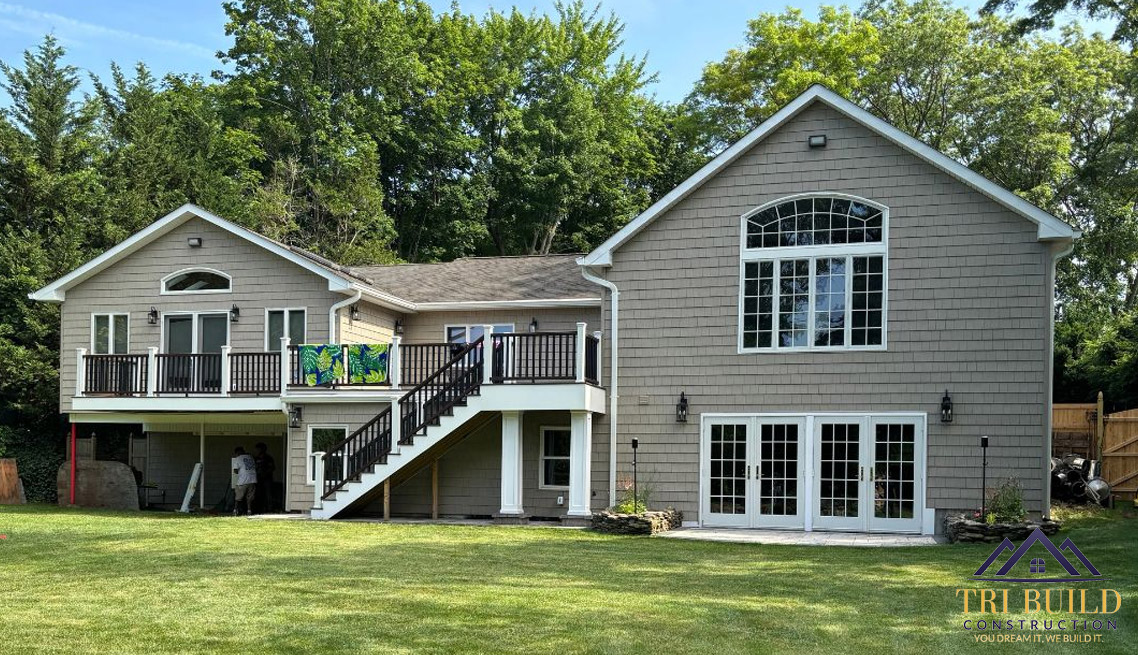
WINDOW REMODELING
Remember that all locations have different environmental needs. Things to consider are moisture levels, altitude, temperatures (desert vs. coastal vs. harsh winters). One window does not fit all. Be sure to talk to Ray, the expert, to help you determine what you need for your specific environment so your windows perform for years to come.
SERVICE DETAILS
One of the most common oversights I see in renovations is people replacing their windows for the same window. Yes, sometimes windows need to be swapped out for functionality or energy efficiency, but take a minute and consider what else you might be able to do. Is there something unique or special you can do instead that might work better for your design/how you use your house?
- Pocket vs. Full-Frame Replacement: “Pocket” windows fit inside existing frames, which is more cost-effective. “Full-frame” or construction windows require removing the entire old unit down to the studs, which costs more but allows for a complete structural refresh.
- Timing: Spring and early summer are popular but busy. Scheduling during the “off-season” may offer improved pricing and shorter wait times.
- Professional Installation: Even the most efficient window will underperform if it is not sealed properly. Improper installation can void manufacturer warranties.
- Hidden Costs: Budget for potential wall repairs, permits, flashing, and weatherstripping in addition to the cost of the windows themselves.
-
The material you choose impacts durability, maintenance, and thermal performance.
Material Pros Cons Vinyl Affordable, low-maintenance, excellent moisture resistance. Limited color range; can warp under extreme heat. Fiberglass Extremely durable, long lifespan (up to 80 years), superior thermal stability. Higher upfront cost; fewer design options due to rigidity. Wood Classic aesthetic, superior natural insulation, can be painted/stained. High maintenance; prone to rot, warping, and pests if not sealed regularly. Aluminum Lightweight, strong, sleek modern profiles, recyclable. Poor insulator (highly conductive); prone to condensation without thermal breaks.
- Double-Hung: Classic style with two operable sashes; often tilts inward for easy cleaning of upper floors.
- Casement: Hinged on the side and cranks open; provides excellent ventilation and a tight seal when closed for high efficiency.
- Awning: Hinged at the top, allowing it to remain open during light rain.
- Sliding: Practical for tight spaces or over kitchen sinks where vertical movement is difficult.
- Picture: Fixed windows that do not open, designed to maximize light and unobstructed views.
THINGS TO CONSIDER!
When remodeling your windows, first determine whether you need a pocket replacement for existing frames or new construction windows if your current frames are rotted or damaged.
Select a frame material like low-maintenance vinyl for affordability, or fiberglass for superior durability and energy efficiency in extreme climates.
Prioritize energy-saving features by looking for the Energy Star label and choosing double or triple-pane glass with Low-E coatings to reduce utility bills.
Consider how different window styles, such as double-hung, casement, or picture windows will impact your home’s architectural character and natural light flow.
Finally, obtain multiple quotes and verify that your installer is licensed and insured to ensure a proper, weather-tight installation that protects your investment