


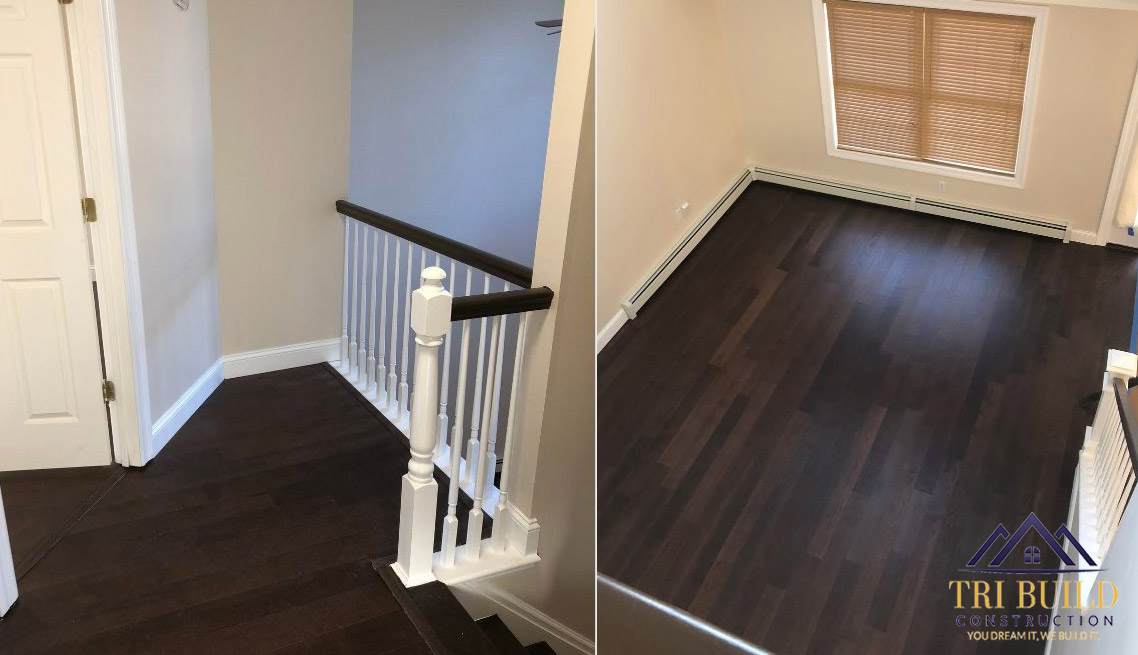
FLOOR INSTALLATION | REMODELING | REMOVALS
When replacing your floor, key considerations include assessing moisture levels, ensuring the subfloor is level, and selecting materials suitable for the room’s traffic and usage. Crucial steps include choosing a professional installer, planning for furniture removal, managing dust containment, and allowing materials to acclimate for 48 hours.
SERVICE DETAILS
Renovating an existing flooring surface, rather than tearing it out and replacing it with new material, is an innovative option that’s becoming more popular. Choosing to renovate an existing flooring surface offers many benefits, including reduced environmental impact, less downtime, and an attractive floor even on a tight budget.
Your daily routine dictates the best material for each space.
- High-Traffic Areas (Entryways, Living Rooms): Prioritize durable, scratch-resistant materials like Luxury Vinyl Plank (LVP) or tile.
- Moisture-Prone Rooms (Kitchens, Bathrooms): Choose waterproof options, such as porcelain tile or high-quality LVP, to prevent warping and mold.
- Comfort & Noise (Bedrooms): Carpet provides warmth and sound absorption, though hardwood with area rugs is a popular alternative for a cleaner look.
- Allergies: If anyone has respiratory issues, hard surfaces like hardwood or tile are better than carpet because they don’t trap dust and dander.
The “floor under the floor” is the most critical factor for longevity.
- Inspection: Once old flooring is removed, check for moisture, rot, or unevenness.
- Leveling: New floors require a flat surface. You may need self-leveling compound for dips or to sand down high spots.
- Acclimation: Materials like hardwood and laminate must sit in the room for 48 hours before installation to adjust to your home’s humidity, which helps prevent future buckling or gaps.
Budgeting should include more than just the price per square foot.
- Hidden Expenses: Factor in the cost of removing old flooring, repairing the subfloor, delivery fees, and new baseboards or trim.
- Resale Value: Solid hardwood typically offers the best return on investment and can make a home sell faster.
- The “Rule of 3”: To maintain a cohesive design, try to limit your home to no more than three different flooring types or tones.
Whether you DIY or hire a pro, preparation is key:
-
- Furniture & Appliances: Clear the rooms completely. Gas appliances and electronics should be disconnected beforehand.
- Door Clearance: New floors often have a different height than the old ones. You may need to trim the bottom of your doors to ensure they still swing freely.
- Waste Allowance: Always buy 10% extra (or up to 20% for patterns) to account for cuts and waste
FLOOR RENOVATION AND YOUR OPTIONS
There are several types of flooring, ranging from traditional natural materials to modern high-performance synthetics, each suited for different rooms and budgets.
- Solid Hardwood: This classic choice is made from single planks of real wood and can be sanded and refinished multiple times, lasting for decades.
- Engineered Wood: It features a real wood veneer over layers of plywood, providing an authentic look with better resistance to humidity and moisture than solid wood.
- Laminate: This budget-friendly, multi-layered synthetic flooring uses a high-resolution photographic image to mimic the appearance of wood, stone, or tile.
- Vinyl (LVP/LVT): Extremely popular for its 100% waterproof properties, vinyl is a resilient material that can realistically imitate natural textures while remaining highly durable.
- Ceramic & Porcelain Tile: These are fired-clay materials that offer supreme durability and water resistance, making them the standard for bathrooms and kitchens.
- Natural Stone: Materials like marble, granite, and slate provide a luxurious, one-of-a-kind aesthetic but typically require professional installation and periodic sealing.
- Carpet: This soft flooring provides excellent sound insulation and warmth, though it requires more maintenance to clear trapped dust and allergens.
- Bamboo: Technically a fast-growing grass, bamboo is a sustainable and eco-friendly alternative to hardwood that is often even harder and more durable.
- Cork: Harvested from tree bark, cork is a naturally insulating and antimicrobial material that offers a unique, cushioned feel underfoot.
- Linoleum: Made from natural, renewable materials like linseed oil and cork dust, this “green” choice is highly resilient and naturally inhibits bacterial growth.
- Polished Concrete: This modern, industrial-style option is nearly indestructible and can be customized with a range of stains and finishes.
- Rubber: Highly resilient and slip-resistant, rubber flooring is the ideal choice for home gyms, playrooms, and utility areas.