
SIDING ON HOMES & BUSINESSES
The exterior of your home is just as important as its interior. This is particularly true if you’d like great curb appeal that helps your property stand out from the crowd. One way to improve your home’s exterior is through new siding.
SERVICE DETAILS
The siding on your home or office can make or break its appearance, so if it’s worn or outdated, you may want to replace it. Additionally, with all siding’s functionality benefits, new siding is a sound investment that will help to lower your energy bills and keep your home or office temperature regulated.
- Fiber Cement: Highly durable, fire-resistant, and rot-resistant, often mimicking wood grain. It is long-lasting but typically requires professional installation.
- Vinyl: Economical, low-maintenance, and available in many colors, though it can break or warp in extreme weather.
- Engineered Wood: More durable and resistant to decay than natural wood, with a lower cost and better aesthetic than vinyl.
- Natural Wood (Cedar/Redwood): Offers high-end aesthetic appeal and warmth but requires significant maintenance (painting/staining) and is vulnerable to pests and rot.
- Metal Siding (Steel/Aluminum): Extremely durable, fire-resistant, and ideal for modern or industrial designs, lasting up to 100+ years.
- Composite/PVC: Often colored all the way through, resisting fading and rot, and requires minimal upkeep.
- Stone/Brick Veneer: Provides a high-end look, excellent durability, and added insulation.
- Cost: Vinyl is generally the lowest, while wood, stone, and some metal products are more expensive.
- Maintenance: Metal, vinyl, and fiber cement are generally low-maintenance, while wood requires regular staining or painting.
- Durability: Fiber cement and metal withstand harsh climates best.
- Appearance: Engineered wood and fiber cement provide the closest, most durable alternatives to natural wood grain
- Earth-Inspired Tones: Charcoal gray is currently the most popular color for its sophisticated look. Other trending shades include sage green, navy blue, and warm neutrals like “greige” or taupe.
- Matte Finishes: Homeowners are moving away from high-sheen exteriors in favor of matte and low-sheen finishes that better conceal dust and minor imperfections.
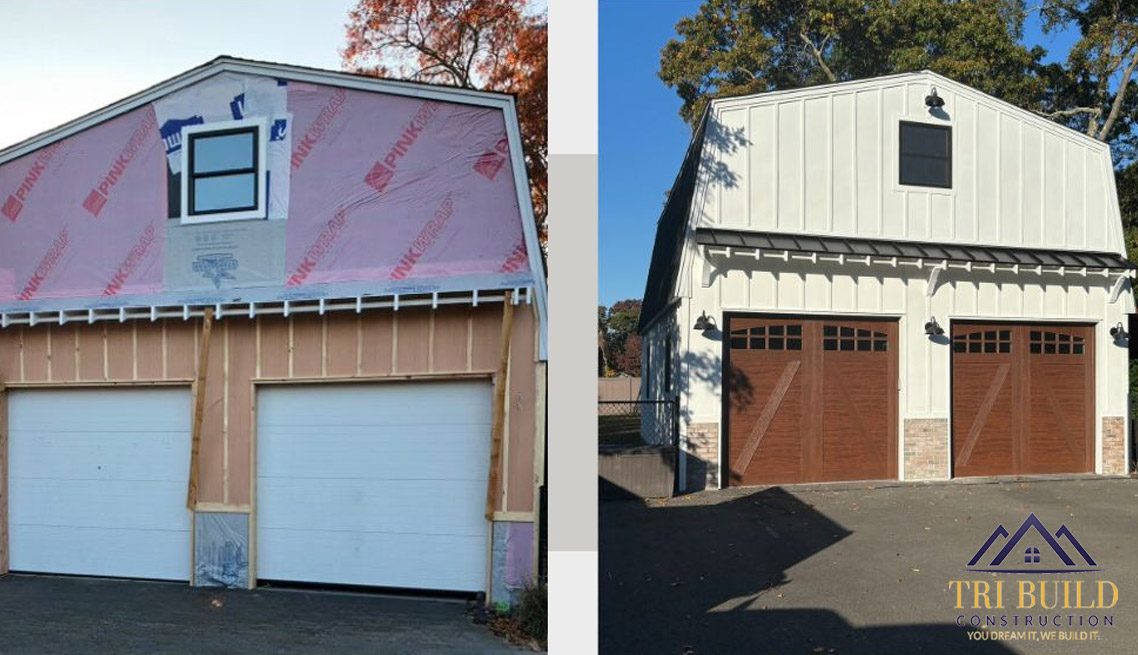
- Vertical Profiles: While horizontal lap siding remains standard, vertical profiles like board-and-batten are a top choice for adding visual height and a “modern farmhouse” feel.
- Climate: Fiber cement is recommended for high-humidity or coastal areas due to rot resistance, while aluminum is noted for its performance in extreme cold.
- Maintenance: Vinyl and metal are essentially “set and forget,” whereas natural wood requires staining or painting every 3–5 years to prevent rot.
- Resale Value: Neutral, timeless colors like warm whites and grays typically offer the best return on investment for future listings.
THE BENEFITS TO SIDING YOUR HOME OR BUSINESS
Siding is an element of homeownership that many people probably don’t consider until something goes wrong. It’s a silent defender against the elements, and as long as it looks good, you probably pay it little mind. In fact, it might surprise you that there are different types of house siding, and you don’t have to commit to simple white vinyl.
Exterior siding options for your house are numerous and can reveal a great deal about your personal style. Some work better with different types of architecture, and some make more sense depending on your local climate or history. Regardless, changing your siding can boost your home’s value and appearance, so it’s worth exploring your options.