


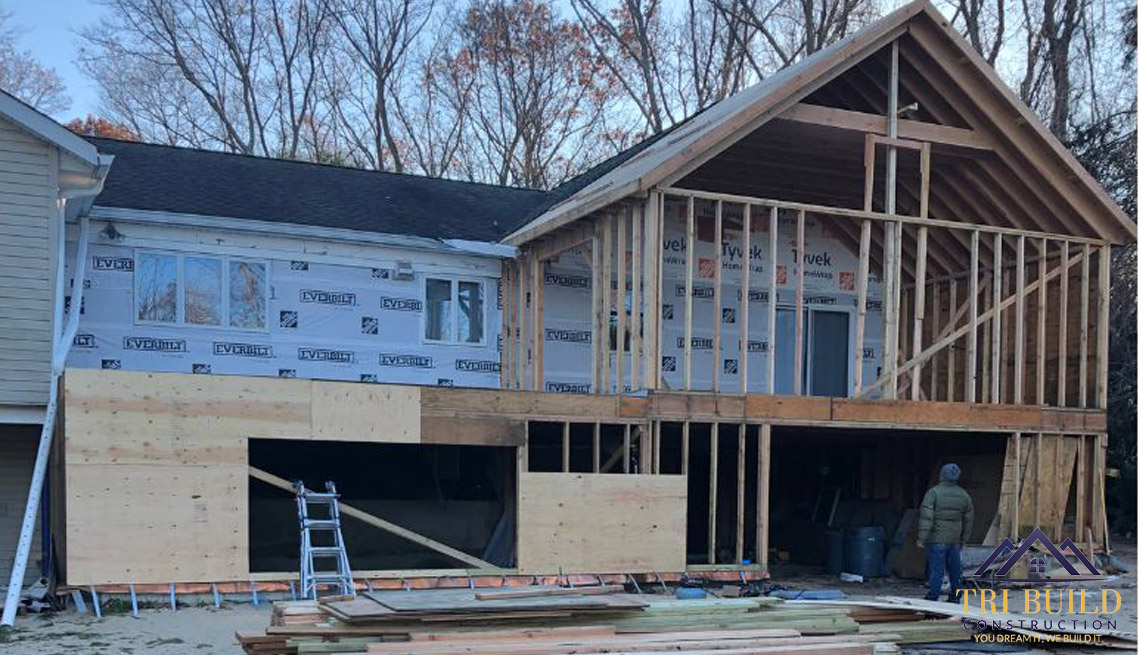
HOME ADDITIONS AND EXTENSIONS
Do you know the difference between an extension and an addition for your home? While the terms are often used interchangeably, the primary difference is their architectural approach: extensions typically enlarge existing rooms horizontally, whereas additions usually involve constructing entirely new rooms or building upward
SERVICE DETAILS
Home additions and extensions involve structurally expanding an existing residence to increase living space and property value. Services typically follow a design-build model, where a single team manages the project from initial architectural concepts through to final construction.
- Consultation & Design: Includes architectural renderings and CAD floor plans (2–4 months).
- Permitting: Contractors handle zoning approvals and building permits; on Long Island, backlogs can cause delays.
- Construction: Typical ground-floor additions take 3–6 months, while complex vertical additions can take longer.
- Inspections: Final steps include ensuring all work complies with local building codes.
- ROI & The 30% Rule: To maintain a good return on investment, experts suggest keeping total renovation costs under 30% of the home’s current value to avoid “over-improving” for the neighborhood.
- Permit Necessity: Almost all structural changes require permits. Beware of contractors who suggest “skipping” this step, as it can cause legal issues during future home sales.
- Contractor Transparency: Check for licenses and insurance.
TYPES OF ADDITIONS AND EXTENSIONS
Homeowners typically choose between building “out” (expanding the footprint) or building “up” (adding a second story).
Second-Story Additions: These “pop-top” projects add significant space without consuming yard area, but require reinforcing the existing foundation to support the new weight.
Room Additions & Bump-outs: A full room addition extends the main level outward, while a “bump-out” is a smaller extension (typically 2–10 feet) that may not require a full foundation, saving 15–30% compared to conventional additions.
Dormers: Primarily used on Long Island to expand attic space and increase curb appeal, these projects typically take 4–12 weeks.
Specialized Suites: These include master suites and Accessory Dwelling Units for multi-generational living or rental income.
Functional Spaces: Kitchen expansions, sunrooms, mudrooms, and garage conversions are common ways to repurpose or add utility to a home.